Episode Transcript
[00:00:05] Speaker A: In rowing, the term gather refers to a technique where rowers pause ever so slightly at the finish of the stroke. This micropause, as the boat is at its fastest point, allows for a brief, almost imperceptible moment where rowers sync up their strokes, gathering their bodies perfectly together as the boat moves underneath them, and they prepare to move forward as one towards their next catch.
Merriam Webster defines gather as to bring together.
For us. The gatherer takes both concepts and combines them into one.
A place where we gather as friends that, through rowing, have become family.
Or we can talk about the passion that brought us all together.
[00:00:43] Speaker B: Rowing has a way of doing that.
[00:00:45] Speaker A: Gathering people into its fold from all walks of life.
Kids putting their hands on the oar for the first time.
Octogenarians looking for a way to stay gently active.
Competitors who push through weather, pain, defeat for that one chance at perfection.
Rowers who just love that feel of the boat gliding across the water and the sound of the oars clicking as one. Parents and spectators who fall in love with the sport from the banks of the river, watching the beauty, the grace of the rowers flying over the water while the birds race themselves from above.
Coaches who see the things the rest of us just don't and inspire new generations of rowers to see beyond what was and to become something better and so much more.
Rowing has a way of gathering people into its fold and holding us there, no matter where we are in life.
This is a podcast for all of you. For those who hold a love for the sport like we do, for those who are searching for it, and for all of you in between.
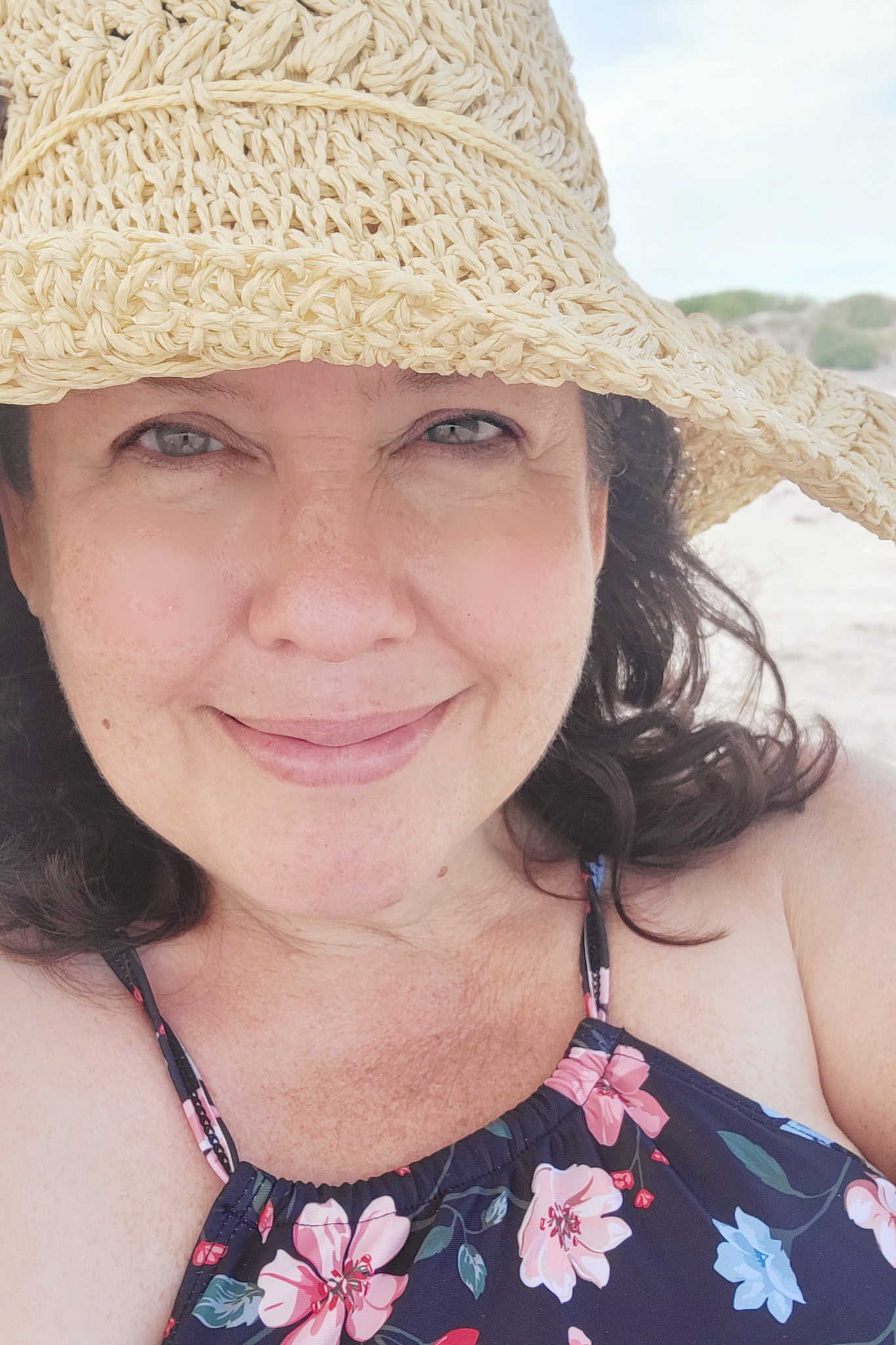
[00:01:44] Speaker B: Hi, I'm Alicia Cushman. Welcome to the Gather. I'm super excited. This is our first episode. We're sitting in a living room and we're excited to be here. Do you guys want to talk about how we all met and who we are?
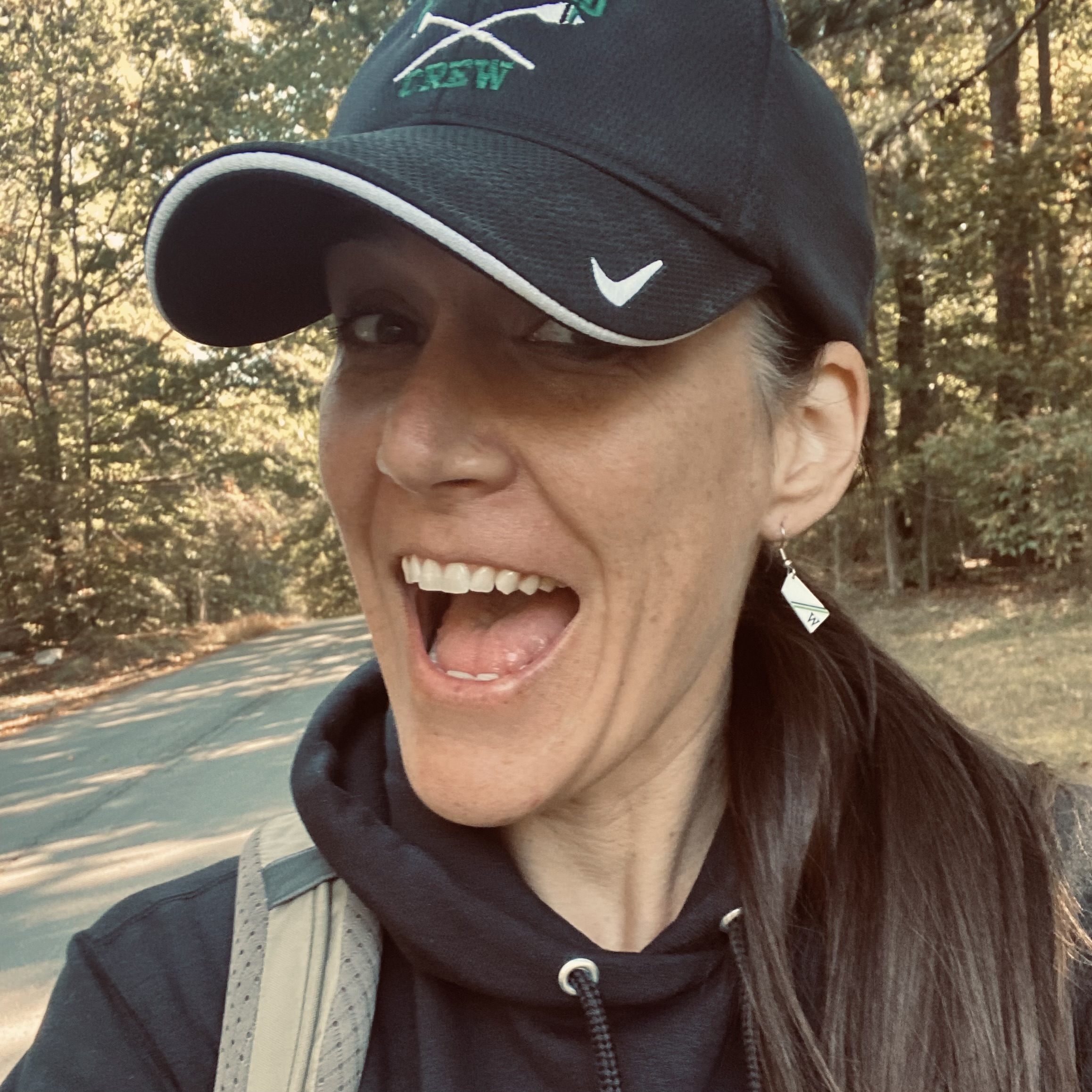
[00:01:54] Speaker C: Yeah. I'm Kim o' Connell and we met because we were both crew booster parents of high school rowers. And it was a wild ride and we've just stayed in touch and it's been a lot of fun.
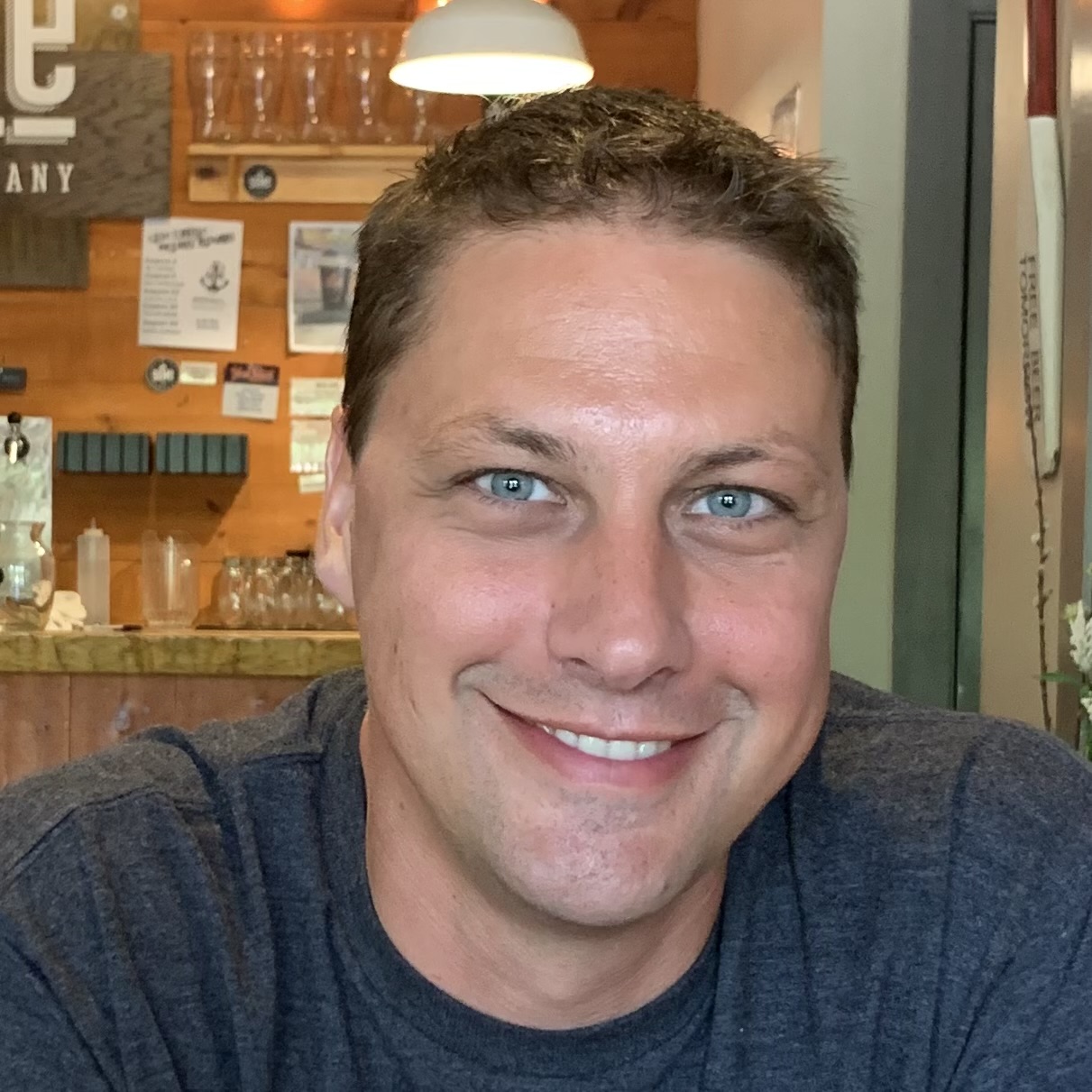
[00:02:07] Speaker D: I'm Ed Hasicke and I am excited to be here. Also, I met these wonderful people through when my son joined the crew team for the first time. We moved from the Midwest and crew became an important way that we met a lot of people.
[00:02:22] Speaker A: Welcome, everyone.
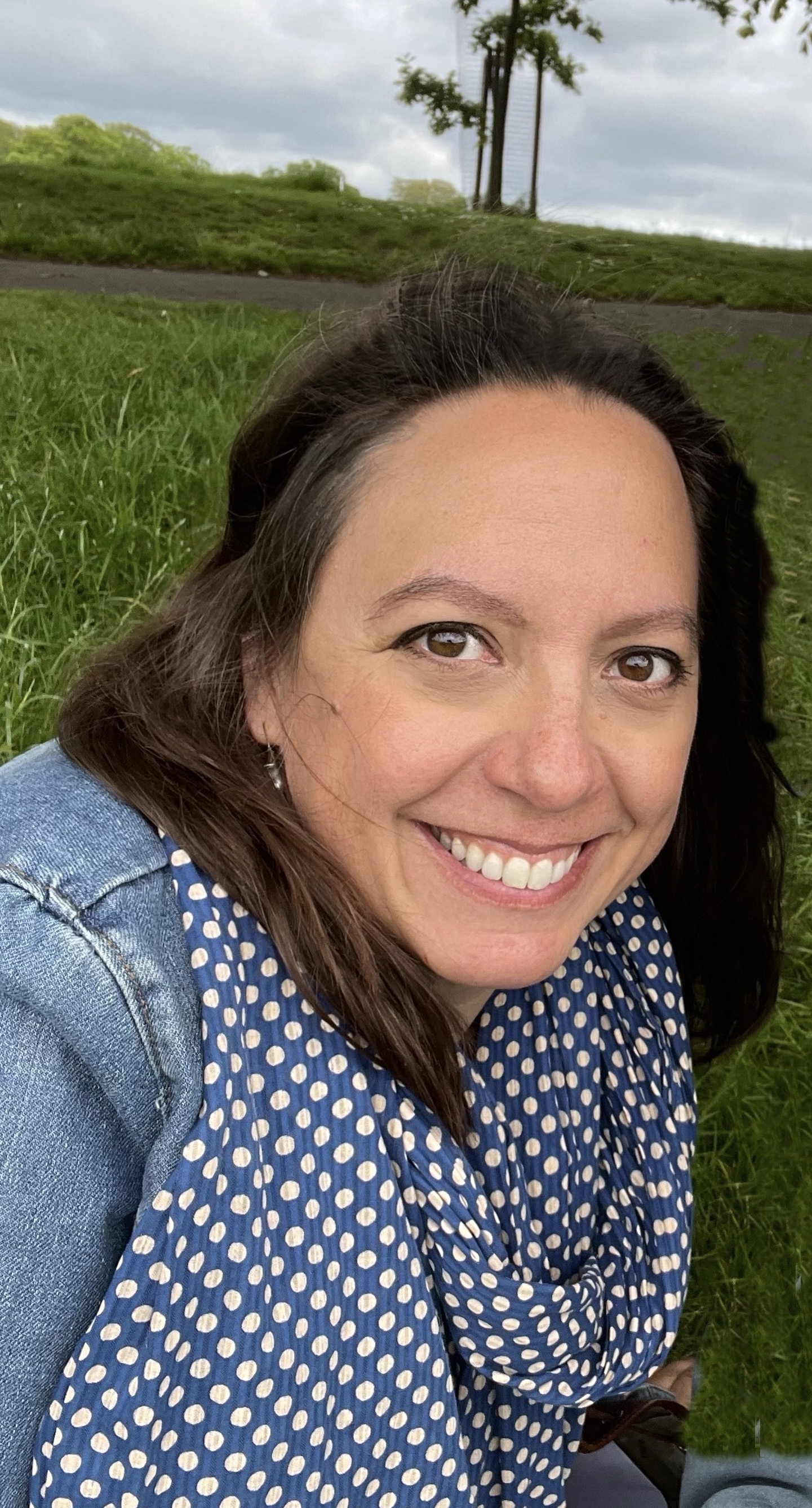
[00:02:22] Speaker E: I'm Jessica Leonard and I'm joining these wonderful friends of mine. I too am a crew parent and I had the great fortune of being on the Boosters organization with Them giving some meaning to my life and making crew a little more accessible to people and here in our lovely Arlington County, Virginia. And so we're here just to talk about that a little bit and how we can bring crew to you.
[00:02:48] Speaker C: We should talk about the fact that we're in Arlington.
We met because all our kids were at Wakefield High School, which is one of the three main high schools in Arlington, Virginia. And they were on Wakefield crew state championship winning rowing teams. So I wonder, maybe a question we could talk about is like, do we remember when we each met each other?
[00:03:07] Speaker B: Like, uh, oh, you put, you put us on the spot, Kim. I don't know.
[00:03:11] Speaker C: Yeah, pop quiz. I know I met you at our boathouse. Yeah. I think we had just dropped off our boys for rowing. And what grade?
[00:03:20] Speaker D: In eighth grade.
[00:03:21] Speaker C: Well, so my son started rowing summer before eighth grade in the pandemic. And. And I know we'll have lots of things we're going to talk about. We could talk about at some point, like how amazing it was to find rowing in the middle of the pandemic when all his summer camps had been canceled. Every. All the indoor things were done. But I had heard about this high school team allowing middle schoolers to row on the Anacostia river, so I signed them up. So it was summer before eighth grade for me. And what time did your kids join?
[00:03:49] Speaker B: My oldest would have been a sophomore that year.
It was Derek Soft, my oldest. I have two rowers and I'm a master's rower. This is Alicia.
And so it would have been my oldest sophomore year post Covid. The longest novice year ever.
[00:04:04] Speaker C: Yes.
[00:04:05] Speaker B: And we were standing in the gravel parking lot on the Potomac river forever waiting for them to get out of practice because something happened and they were delayed on the water or something like that. We were standing out in the parking lot for. Forever.
[00:04:16] Speaker C: Isn't that kind of a story of crew, though?
[00:04:18] Speaker B: It is, yeah.
[00:04:19] Speaker C: Standing around waiting for something forever.
I know you and I just yapped and yapped and yapped about our kids and rowing, but I think. I don't exactly remember when you and I met, Jessica, but one of my first memories of you were when you were volunteering with Vassara, which is the Virginia Scholastic Rowing association, which is the governing body for the high school teams where we are. And I just, I don't know why that sticks out in my mind, but I know you're volunteering there and we had a conversation down there on the Occoquan River.
[00:04:47] Speaker E: Yeah.
[00:04:47] Speaker C: And I know, Ed, that's where I Met you for the first time was at a regatta and it was crazy and you guys were wide eyed. You and your wife Kathy were wide eyed and on the river for the first time. And it was.
I know you were sort of seemed a little like, oh my gosh, what have we gotten into?
[00:05:06] Speaker E: Closure, right, that you had to run.
[00:05:08] Speaker D: Yeah, yeah. So we had moved from Ohio and Will was in theater out in Ohio. So then when we moved here, he ended up getting sight of one of his. One of the first friends he made here sort of said, oh, you need to join the crew team. You need to do that. And so he basically moved in that direction.
So it became a really good way. He fell in with that kind of crowd. But I do remember that first regatta, which is just like, I mean, just any of these meets. It's pure chaos at some level. You can't really.
You don't know what you're looking at. There's some schedule, hypothetically somewhere, but you're usually on some river, or at least in our case, you're on some river. There's no WI fi.
You could die out there and no one would know.
So we didn't know to bring like our little heat sheet all in a. In waterproof containers.
So we relied on that.
[00:06:05] Speaker E: Don't scare people away just yet.
[00:06:10] Speaker D: No, but I do remember because Kim's one of these people that just. Well, and you'll get to know this through the podcast, but Kim's one of these people that just like brings everyone together into the thing.
[00:06:19] Speaker E: So gathers.
[00:06:24] Speaker D: And she did that for us, which was a big thing.
[00:06:28] Speaker B: But I also. The chaos is really kind of funny. But I think that's also why we're here to some extent. Right. Because rowing is such a, such a new thing to a lot of people and we all experienced it and we all have very different reasons for why we're here. And for me, you know, we, we navigated this path. We're not a elite rowing family. Right. We didn't. Rowing didn't exist to us before.
[00:06:48] Speaker A: Derek found it.
[00:06:49] Speaker B: My oldest found it during COVID And so we really want to share with everybody because it's. There's so many different aspects of rowing. You can join rowing really at any phase of your life, at any level of competition that you want, whether you want to be a rower or not, a coxswain, a referee. A referee.
So trying to make sense of the chaos is maybe one of the reasons we wanted to do this podcast actually, because we all have very unique pathways in rowing and unique experiences and unique interests in the sport. And there's something for everybody.
[00:07:19] Speaker D: Yeah.
[00:07:20] Speaker C: And I want to just say too, like, we were all on the board of our kids rowing teams booster club in very important positions and we really worked hard for four years basically to keep this team going, which is a big deal. I mean, it was almost like a full time job and we all have full time jobs, you know, so we invested a lot into this team and we invested a lot into this sport because I think we all fell in love with it. We saw how nurturing it is for our kids, how nurturing it is for so many people. And so, like, I don't regret it. Was it. There were tough times for all of us, you know, rowers, adults, coaches, you know, it's not an easy sport, but it's so rewarding. And I always used to think, like, gosh, regattas heal everything. Like when you know, if you've had a bad day or it's been a hard week, when you're just out there on the side of that river and the sun is glinting off the water and the boots are coming down and the people are cheering, it's like nothing is wrong in the world.
[00:08:21] Speaker E: So.
[00:08:21] Speaker D: Yeah, well, and it's sort of this. I mean, I'm here in part because these people became, you know, experience extensions of our family quickly. And rowing kind of does that. You've got this massive team sport where all of them have to learn how to work together. But then, you know, I think our experience was that we all learned how to work together with each other and became really good friends along the way. And that that bond that the kids had also was happening with the, with the parents. And I think even Kim's son said, I can't believe you guys still get together. It's like you're really friends or something.
So it wasn't fake.
[00:08:58] Speaker B: We've survived some things. I mean, when you're stuck under a tent in the middle of the rain and wind waiting for them to clear the course.
[00:09:05] Speaker D: That's right.
[00:09:06] Speaker B: So they can row again. Like, you learn some things about each other.
[00:09:12] Speaker D: So, Alicia, what are you hoping to get out of doing this podcast?
[00:09:16] Speaker B: To get out.
[00:09:17] Speaker D: Why are you here? Why do you want to do this?
[00:09:20] Speaker B: So for me, I think it's like I said earlier, rowing can be complicated and intimidating. Right.
It's historically been this kind of elite, inaccessible sport. And it would have been for me too. Right. I'm a single mom in a non profit job. We're not wealthy by any way, shape or form. And so in some ways, we're really blessed that we live in this area. And it was obvious for Derek to find.
And, you know, when I now, looking back on that path that we followed, you know, my oldest is a collegiate rower now. My youngest is also a collegiate rower now. I'm a master's athlete. When I look back now, there's a lot of things I wish I had known along the way that would have made things easier, maybe change some decisions, but I just didn't know because we didn't have that history. So what I really want to do is sort of share that part of it. The other part of it for us is we were going through a really traumatic series of circumstances when we found growing.
And rowing has healed all three of us in very different ways. But I think that that's something that's really beautiful about the sport for us individually and differently. Rowing healed us. But I think with rowing, you find what you're looking for, regardless of what it is you're looking for, whether you're looking for community, whether you're looking for a challenge in competition, whether you're looking for the fun of it, whether you're looking for travel or scholarships or whatever you end up needing and trying to find, you somehow find it in rowing.
And so that's the other thing I would like to get, is to be able to share what those opportunities are and those paths are and how rowing can really be what you're looking for. And it's not this inaccessible thing.
That's what it is for me. What is it for you guys?
[00:11:07] Speaker E: Well, I think drawing on my experience being the fundraiser on the board and what you just said, Alicia, I think that's one of the things that I would like to impart and just share in this podcast, is that one of the barriers is obviously the expense of rowing. And oftentimes, you know, people won't give rowing a second look because they are intimidated by that. And it's daunting, and it's very real. It is. It is a very real barrier.
And that's something that I worked very hard to. To try to help other families overcome as the fundraiser on the board. And one of the things that I would like to bring here is like, don't let that cost impede you. There are opportunities, there are ways of getting into this because of the. Of all of the ways that it can benefit, whether it's a student, whether it's an adult or whoever it is. Like, the cost will be an impediment to many things. That you do in life, but the rewards of rowing outweigh the barriers of the cost. And it's very difficult to see that when you're just starting out, because you don't get those benefits until you're already in it and working through it.
And so I, you know, just from that position, from where I've been, and seeing the numbers and knowing the. The challenges that some of our rowers in the schools have faced, I. I'm encouraging, you know, because there's so much to be gained from. From the sport, so it's kind of where I bring this angle in.
[00:12:38] Speaker C: You're a darn good fundraiser, too.
[00:12:40] Speaker B: Thank you. Great fundraiser.
[00:12:41] Speaker D: Thank you.
[00:12:43] Speaker C: Well, I'm interested in all those things also, but I'm a journalist, as my day job and a history buff, I write a lot about history. And so one of the things that very much interests me about this sport is its long and storied history. I find it incredibly fascinating.
It's full of drama and heart and true grit. And I've just always been interested in the history of rowing.
Something we'll talk about is I have a particular project I'm working on that's related to the history of rowing that I hope to turn into a book at some point. And I'm also interested in the nature, like the nature access, being outside the beauty of the sport. There's something. Scientists have studied how being on the water is so, like, helpful for your mind. It helps with depression, it helps with so many things. Going back to what you said about healing, there's something so aesthetically beautiful about this sport. I love the synchronicity of eight rowers moving in unison. And, you know, in a boat, it's just incredibly beautiful to watch. Like those overhead shots that we've all seen of a race, like the chevron coming down the river, like all those oars going, it's just incredibly beautiful. I've done a little bit of rowing. I'm not a master's athlete. Maybe I will be again at some someday, but I have done some and it's really powerful. The other thing I find really interesting about it is that there is so much misunderstanding about what rowing is, and that's one of the things we're going to talk about. One thing I've always said about it is that it's the sport that, to me, has the greatest distance between how easy it looks to outsiders and how hard it really is. And I didn't quite understand that until I got into a rowing shell myself for the first time.
To outsiders who may not know a lot about looks, maybe like you're canoeing down the river, like on a nice summer day, you know, but when you're in a racing shell at full speed with other boats pressing on you and you're trying to keep that war moving and push that boat, that heavy boat, it is hard as heck. So I'm very impressed by the athleticism of the sport, too. So all that stuff, the beauty, the athleticism, the history and everything else, you know, the mechanics, the finances, you know, all of it I'm interested in, too.
[00:15:01] Speaker D: Yeah, I'm here. So I served as treasurer on the board, and so the money was definitely something I saw. But obviously I'm interested in all the things that they're talking about. To be honest, I don't have a ton of insights to share. What you'll probably hear me doing mostly is asking questions, because I just like hanging out with these people and learning cool stuff from them.
But in some ways, that's really what the sport represents to me too. You know, I came to love the beauty of it. I came to really admire the athleticism. I came to see what that did for my son and how that helped. But, you know, rowing became a way that will found belonging to in this new place that we had moved to and this team effort that, you know, really is kind of unique in sports, where you're kind of pushing yourself, but it is a. It's a team. And so no one person is going to be the reason why anything happens.
[00:15:58] Speaker E: It's.
[00:15:58] Speaker D: It's a very collective sense of togetherness, and that's what I found.
So, you know, I remember. I think it was probably Kim that put out the request for we need a treasurer for next year because the longtime treasurer son had graduated and we needed a new treasurer. And I jumped right in. I'm like, this is my way to make friends. So I'm gonna. I'm gonna.
[00:16:22] Speaker C: Thank God you did.
[00:16:24] Speaker D: And I knew nothing about any of it, but. But it was a lot of fun. And so I. I guess I'll come to this from the perspective of. Of what it's like to really not. Not know what it's like to row a boat, not be a master athlete, to you know, have just kind of be along for the ride and enjoy it every step.
[00:16:47] Speaker B: So I think that's. And I think that's why we wanted to do the gather is how different our stories are and how the different things that we bring to the sport. Right?
[00:16:56] Speaker E: Yeah.
[00:16:56] Speaker B: Really cool.
[00:16:57] Speaker C: I'm excited we have Lots of fun things planned.
[00:16:59] Speaker B: We do.
[00:17:01] Speaker E: Well, things are planned. What do we have going on this weekend, Alicia?
[00:17:07] Speaker B: We can start there.
Yeah. So it's fall rowing season, and we'll probably get into this in a later episode, but in the fall, we do what's called head races, and they're much longer races. And so we're recording this just a couple of days before a couple of us leave to go up to Boston for one of the biggest regattas. I don't know if it's in the world. It's definitely one of the biggest regattas in the country.
And what's cool about fall rowing? Just like we all bring something different to the table. In fall rowing, it's the. It's the time of the year where all of the different levels and types of rowers all are at the same regatta. You have masters rowers, you have high school rowers, you have collegiate rowers, you have youth rowers, and they're all at different levels. You have club rowers and in different sized boats and in different size boats. In different types of boats. At some point, we'll get into the difference between sculling and sleep, which I'm gonna pop quiz everybody on, and I'm looking dead at Ed.
[00:18:05] Speaker D: Yeah, I think I know that one.
But the difference between a four and a quad.
[00:18:13] Speaker E: We'Ll make you get it by the end.
[00:18:16] Speaker B: We'll have lots of conversation about that. But, yeah, it's really exciting because the Head of the Charles is this weekend, and we're going up and it's a. It's just an event to. It's an event to be seen. Even if you don't know anything about rowing or have a rower, it's just super fun to go and experience. There's tons of people, there's food, there's vendors, there's athlete signings. I think the Olympic team's gonna be there for autographs and stuff to buy. And it's in Boston, so you have all the. What's so fun about Boston, Ed?
[00:18:48] Speaker D: My sister lives there.
No, but you get to go under. Like, you get all the. All the bridges are just packed with people. And so, you know, I remember getting videos of.
You get to see the boats from a completely different angle as they're cruising under you.
It's pretty.
[00:19:04] Speaker E: The beautiful autumn weather.
[00:19:06] Speaker B: The beautiful autumn weather.
[00:19:07] Speaker E: Usually we were there one year when it was.
[00:19:09] Speaker B: I don't know. I think I have a different opinion about the weather at the Charles. I feel like the Charles is one of those times of the year. In Boston, where you experience all four to eight seasons in the span of two hours, that's fine.
[00:19:22] Speaker E: You can, that's for sure.
[00:19:25] Speaker C: So I love that Logan Airport, you're the main airport in Boston, has big rowing exhibits in the airport. That's how important the sport of rowing is to Boston, how important the Head of the Charles is and how storied and historic it is, you know, So I think that's so cool. People flying out in and flying out can see a little bit about rowing. It's cool.
[00:19:45] Speaker B: Yep.
And Boston's one of the, one of the sort of heartbeats of rowing in the country. There's a few areas that are really sort of central to rowing.
This area we live in, the D.C. area, DMV we call it, we all live in Virginia. Philadelphia is another sort of center of rowing.
Boston's the center of rowing.
Washington, the Cal, the Bay area in California. So there's some really heartbeats of rowing which kind of plays into rowing feeling inaccessible a little bit sometimes. But what people don't realize is rowing is everywhere. Right. So you hear of these heartbeats, but you can go out in a single wherever there's water that's deep enough, really. And a single is a one person boat. And usually there's someone somewhere that has access to a boat that you can get to. So you really don't have to be in one of those sort of heartbeats of rowing.
[00:20:36] Speaker E: And if not, our goal is to expand the access to rowing.
[00:20:40] Speaker D: Exactly.
[00:20:40] Speaker E: And show people that you can get in a single and you can row.
[00:20:43] Speaker B: On a body of water. Most people can get in a single. I get in a single. And it's scary.
[00:20:48] Speaker E: It takes effort and time and skills.
[00:20:52] Speaker A: You get there.
[00:20:52] Speaker B: But yeah, if you can master a single, you can really master anything.
[00:20:57] Speaker D: Well, I think this gives you a good flavor of what this podcast is going to be like. We will be returning with episode number two and we're going to start coming up with different, our topics that we want to cover each time that we're going to focus on.
[00:21:11] Speaker B: And I think our first one is going to be what's a head race? What does that even mean?
[00:21:15] Speaker D: It's a good one.
[00:21:16] Speaker B: Yeah.
[00:21:17] Speaker D: So I'm gonna have to read up on what a head race is now. I know what a head race is.
[00:21:22] Speaker B: But thanks for joining. Our first podcast. Our first episode.
[00:21:26] Speaker D: And yeah, don't hit pause, just let it play through.
Get episode two.
[00:21:32] Speaker B: Yeah, go to episode two.
[00:21:33] Speaker C: Thanks, guys.
[00:21:34] Speaker B: Good night, guys.