Episode Transcript
[00:00:01] Speaker A: Before we start the episode, we have an exciting announcement. The Gather is hitting the road and we'll be doing some live shows from the dadvale regatta on May 8th and 9th. More details will be forthcoming, but we will have guest interviews, trivia and all the excitement that being at a regatta provides. If you happen to be going to Dadvale, we hope you will stop by our tent and say hi. Now on with the podcast,
[00:00:32] Speaker B: Soundgarden captures it beautifully in their song about rowing. Rowing is living and living is hard. But living beats losing all that we are, all that we know of and all that we feel, all we remember, imagined are real. As you've heard in earlier episodes, rowing has been a deeply healing force for me and my family. There's something about it that pulls you fully into the present, forges powerful connections and challenges you to rewire your mindset to unlock what you're truly capable of.
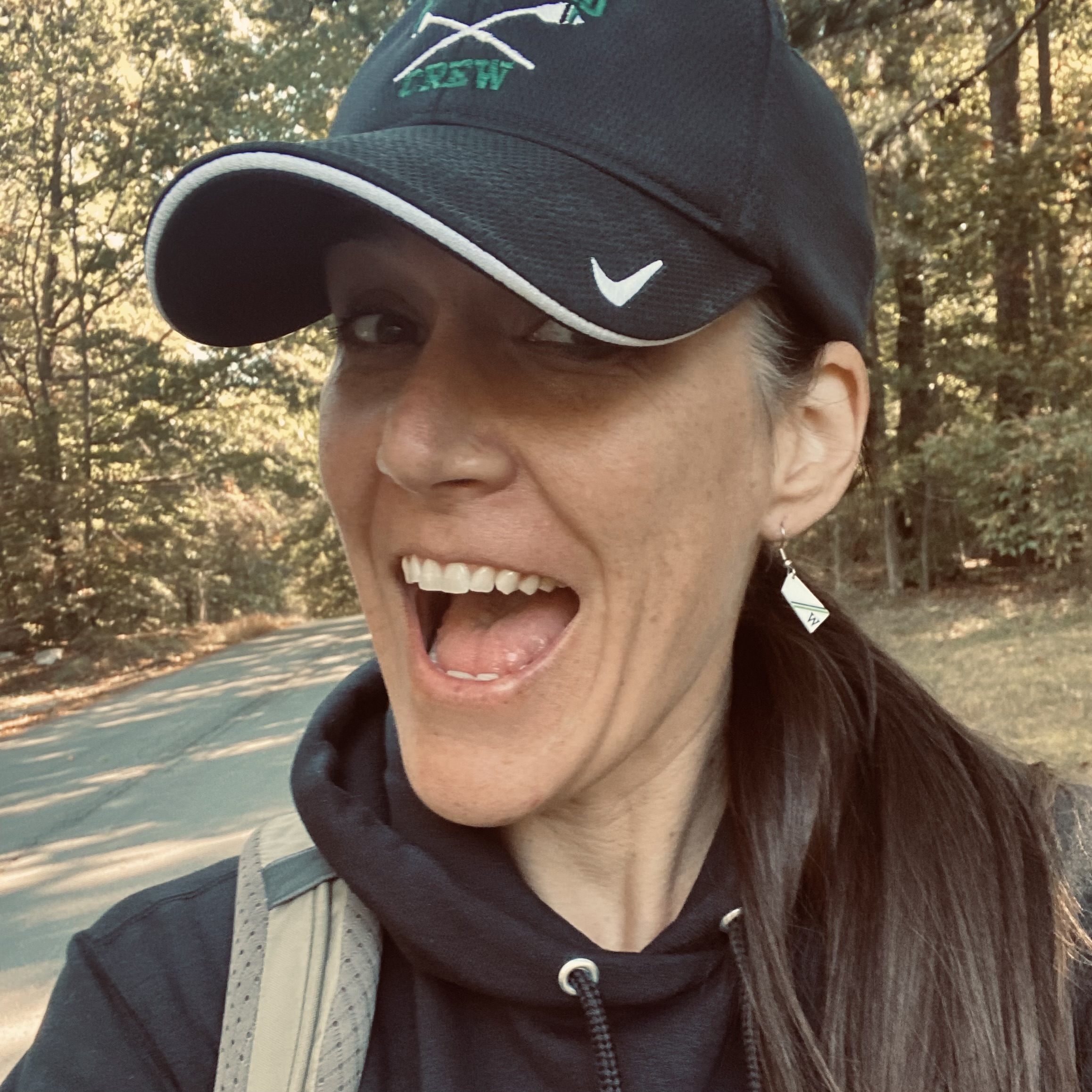
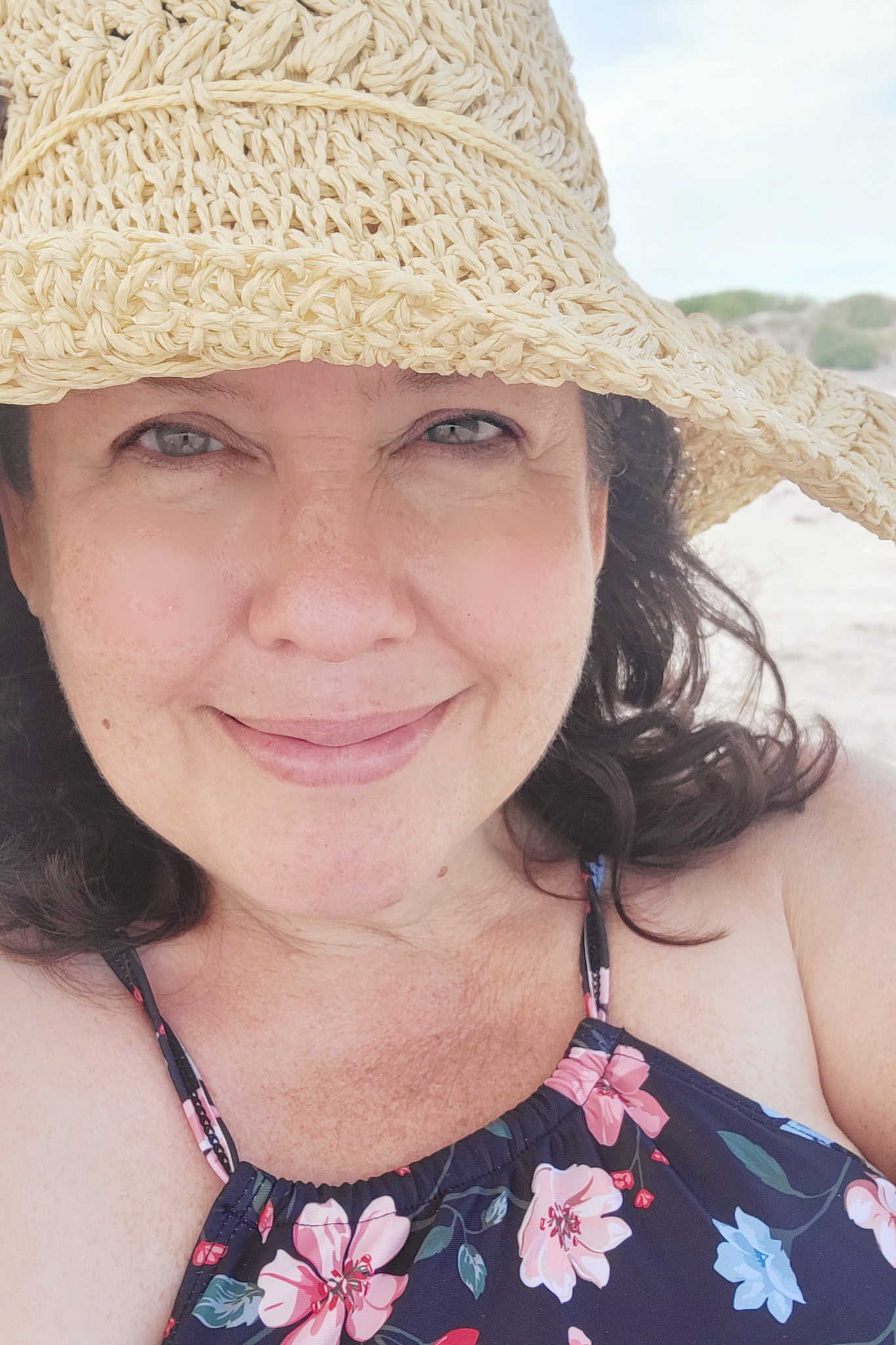
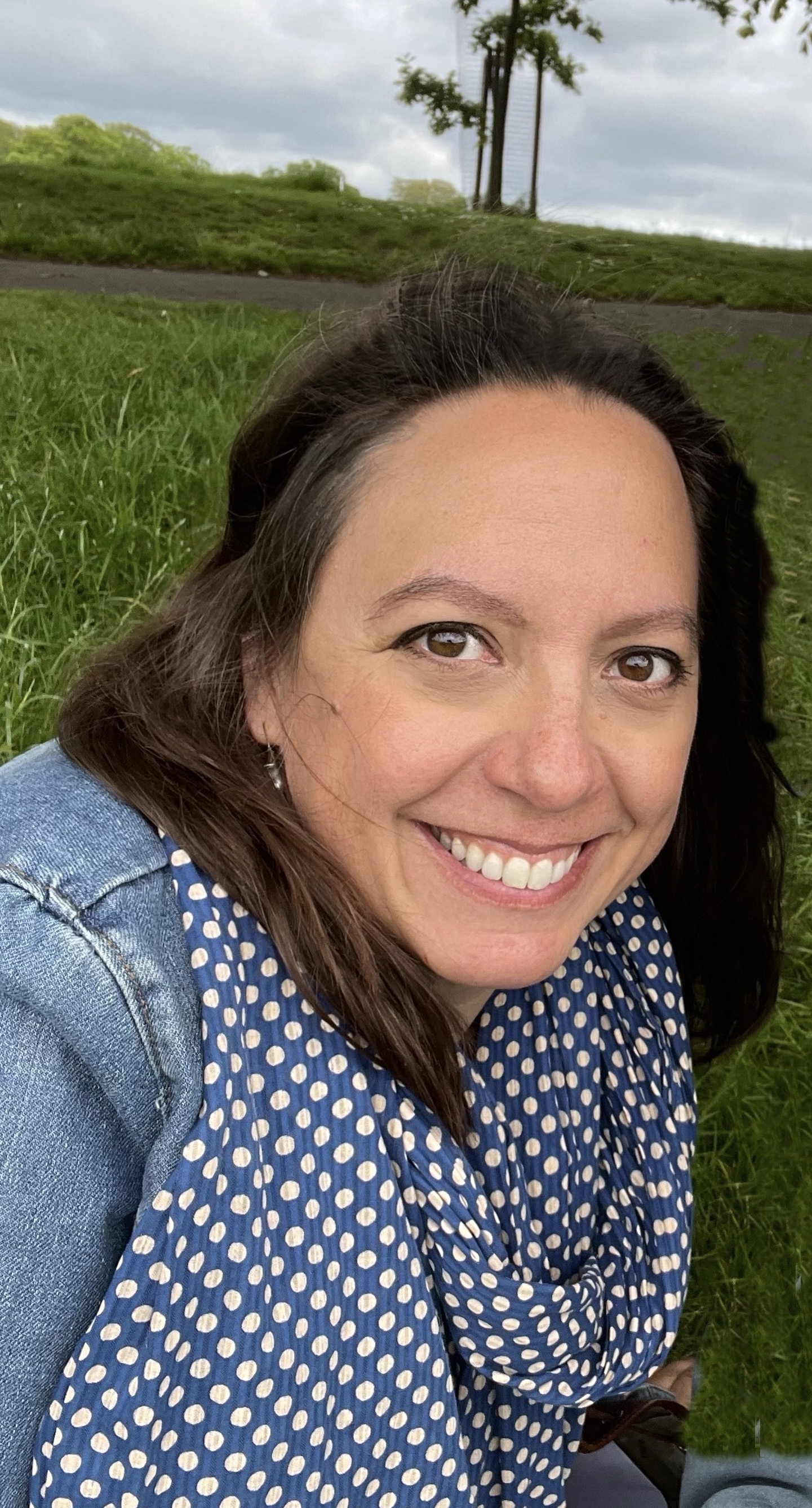
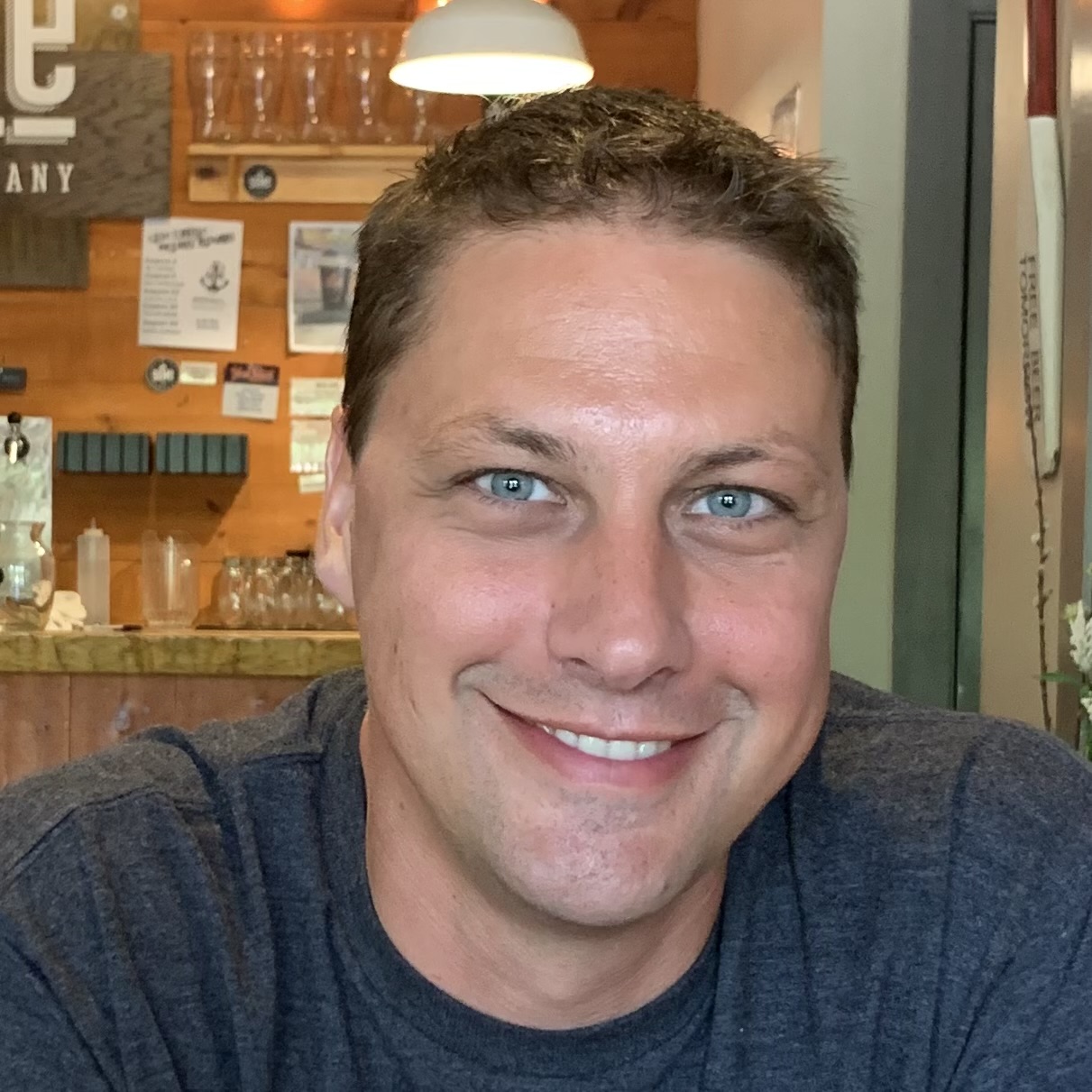
That's why we're so excited to introduce two incredible guests who are bringing that same sense of healing and empowerment to women navigating breast cancer. We Can Row DC is a non profit volunteer run organization dedicated to bringing the joy and healing power of rowing to women of all backgrounds and abilities at any stage of breast cancer recovery. They have introduced over 200 women in the D.C. area to the sport of sweet rowing. Today we have with us Doris Parker, founder leader and coach of We Can Row DC and Martina Taylor, current President of We Can Row dc.
Welcome back. I'm Alicia Cushman and this is the gather. We are here on a beautiful Sunday and we have some incredible guests with us which are really excited to have today. We have Martina and Doris From Weekend Road D.C.
so maybe we could get the episode kicked off. If you guys want to just tell us a little bit about each of your stories and how you came to find weak in row DC.
[00:01:53] Speaker C: Doris so I moved to Alexandria in 2001 and had never seen rowing before and for the first time I saw it out there on the river. And a couple of months after we moved to Alexandria, I was diagnosed the first time with breast cancer and spent a lot of time on the George Washington Parkway driving up and down to Walter Reed for my treatments. And so I just got really mesmerized by the sight of the rowers in the mornings, decided that that's what I was going to do when I recovered from breast cancer. I was going to learn how to do that beautiful sports.
And so shortly after my last surgery I went down to the boathouse in Alexandria and I confronted one of the coaches down There. And I said, I'd like to learn to row. Am I too old?
I was 46.
And he said, no, you're not too old. Look at all these people. They're all parents of high school rowers. They've all just started the sport as well. So I felt very comfortable with that. And they just put an oar in my hand one day and I was just hooked up, totally hooked. And it really, really helped me to recover from both the mental and the physical trauma of going through breast cancer treatment. And it just seemed like something that a lot of people needed to know about. And so I kind of looked into it a little bit. I found Holly Metcalfe in Boston, and she had started the First Week in row program in 1999.
And I called her and asked her if there was a program like that in D.C. and she said, no, but you can start one.
So that's how it happened.
I found other people, like minded people in the D.C. area. One was rowing at Potomac and the other was rowing at Capital. And we were all three breast cancer survivors, recent survivors, and had the same sort of thought process about the sport and healing and community and bonding. So that's how it got started.
[00:03:50] Speaker D: Very cool. So I came to rowing much later.
I started the Learn to Row program with we can row DC in 2017. For me, the way I discovered it, I didn't even realize rowing as an adult, you know, a beginner, was even possible. You know, I'd seen the high school kids and being close to the water on the Potomac, you know, watching, oh, wow, that looks gorgeous. You know, how do they do that? But I didn't even consider it. But. But in 2017, early that year, a good friend of mine, also a breast cancer survivor, she called me and she said, hey, there's something on the community listserv that would be fun for us to do together. And it was the week in Row DC Learn to Row weekend. And I just thought, yeah, that sounds like fun. We can spend the weekend together. And I thought that would be the end of it, right?
And so we went. It was just the beginning.
[00:04:44] Speaker E: That's not how rowing works. But go on.
[00:04:47] Speaker D: So.
So my girlfriend, she spends every summer up in Maine, so for her it wasn't an option to continue. But that Learn to Row weekend, I was so just like, excited and mesmerized, but I really thought that was it, you know, I thought, wow, I wish I had discovered this much earlier.
But then they told us about the novice program, so I continued with the novice training program. That summer. And then the following year, started rowing with we can Row DC out of the Potomac Boat Club. Yeah, for me, you know, I started. I was diagnosed, I had two breast cancer diagnoses. And I still remember the first times, like now you got to be really careful, you know, don't lift. And you know, they were giving me all these warnings. This was back in 2007, and I was diagnosed again in 2012. But yeah, there was all these warnings about being careful. And, you know, I thought, gee, you know, I guess I'm, you know, just, this is my new life. But I did find, you know, another oncologist, she said, don't listen to all of that.
You know, this is when I was thinking of taking on even just the novice program. And I had to get a sign off for Learn to Row weekend. And she said, you do whatever feels good to you and don't worry about it. You're capable and, you know, it's something you should pursue if you want to pursue it. So that's how I got into we can Row. And I've been rowing ever since. And now I guess I've been president. This is my fourth year as president. You know, I saw that as a way to give back to the organization.
And also, as you know, we're an all volunteer organization. So it's really important for our members to, you know, become a part of what it takes to keep a non profit, especially a nonprofit rowing organization going.
[00:06:24] Speaker A: Well, tell us a little bit about. So what does a season look like? Or how does.
[00:06:28] Speaker C: What.
[00:06:28] Speaker A: What is the organization like? When do you get involved?
[00:06:31] Speaker C: We do a Learn to Row introductory weekend every May during Memorial Day weekend. It's been that way since the beginning. And the reason we choose that weekend is because the boat clubs are typically not very busy because it's a holiday weekend. Also, our weekend goes from Friday evening to Sunday afternoon and then everybody has another day off.
[00:06:54] Speaker F: Right.
[00:06:55] Speaker C: And they usually need that. Yeah. It's interesting because I went to a program when I was recovering the first time from breast cancer called Casting for Recovery. It's a fly fishing program for people like me.
And it was in the Poconos, and it was a beautiful weekend, bonding with other women, meeting people from all over the country who had the same, you know, issues.
And I really loved the weekend, although I did not like fishing at all. But I just thought, you know, this could work for rowing too. And that's what we modeled the Learn to Row Weekend after the Casting for Recovery program. So that's how we developed that model. And it's worked for us ever since. It's been pretty good.
[00:07:44] Speaker F: Where is your Learn to Row?
[00:07:45] Speaker C: It's at the Anacostia Community Boathouse.
[00:07:47] Speaker B: Okay, and so that's coming up. What are the dates this year? It's Memorial Day weekend at Anacostia.
[00:07:52] Speaker C: Yeah. So we start Friday evening with a potluck supper and a safety video and some, you know, a little tour of the boathouse and mostly social time. And then Saturday we. We do erg training in the morning, and then we use the barges in the afternoon, which are the big, wide, very stable training boats. So on Sunday morning, we do the barges again, and then by Sunday afternoon, everybody's feeling comfortable enough to get into the skinny boats. And we alternate newbies with experienced rowers so that they're not totally out there by themselves.
But it really has been a formula that has worked for us year after year. And so. So we just haven't changed it. It's, you know, it's 21 years now and it's just still working. So after the Learn to Row weekend. Oh, and by the way, the Learn to Row weekend is more than just rowing and exercising. It's also a lot of bonding. We build on a lot of social times so people can meet and talk.
[00:08:51] Speaker D: We also team up an experienced rower as a mentor with these new trainees. So as they're going through even before, once we know they're coming, we make sure that a mentor contacts them. You have questions and just sort knows they have someone they can go to in this group that they can feel a little more comfortable with because they've built up a little bit of a closer relationship. And that runs through many times, even after so during the novice training. And I think that's a good way for them to bond with the group before they eventually might consider rowing with us long term.
[00:09:25] Speaker B: I love that so much because we've talked a lot on our podcast about how rowing is such a community. It's more than just a sport.
[00:09:32] Speaker F: Yeah.
[00:09:32] Speaker B: I think when you get to the elite level, you're very sort of focused on performance and medals. We were talking about this a little bit before we sort of started the podcast, but so much of the rowing world, like 99% of the people who row, are really just in it because of the joy of the sport and the community it brings. And to leverage that for this specific community of people who are going through recovery for breast cancer, I think is just so powerful. Right. One of our most recent episodes was about connection, and we tied the concept of the connection at the catch to actually the connection we make with others. And so I think it's so cool that you guys have built your. Learn to row, not just about learning to row, but learning how to build that connection with others and how critical that is. And sort of you as yourself going through this sort of really challenging time.
[00:10:17] Speaker E: And I imagine that when you receive a diagnosis like that, you can feel pretty alone at times and there's probably dark moments when you're by yourself. So I think for this community in particular, it's probably so important to find people that have been through similar experiences. And that's true for all of us in various ways. But I think particularly for breast cancer
[00:10:35] Speaker C: survivors, I think that really any, Any chronic disease, any mental challenges, any kind of grief that you're going through. Healing can come with. With a sport like rowing, no matter what it is, especially if you're with people who understand what you're. What you're feeling. And that's been our, sort of. Our major theme from the very beginning. Yeah. Is to connect people with others in the same. In the same boat.
[00:11:04] Speaker E: It's so hard to avoid that.
[00:11:05] Speaker C: Ph.
Yeah.
[00:11:07] Speaker D: And, you know, many, many of our members, you know, they periodically will talk about they didn't realize how important the rowing and the team, the club, if you want to call it that is, has been to their continued recovery, you know, which is sometimes emotional and sometimes their confidence. So someone say, I never thought I'd ever be able to do something like this. And you know that the fact. And someone will say, I've never been part of a team sport.
And this has really been critical to me to feel a part of something as they kind of build their confidence over what they're able to do in the longer term. After this diagnosis, many are called athletes
[00:11:47] Speaker C: for the first time in their lives, which is pretty profound when you think about it, especially if you don't identify with that at all.
And of course, for so long, rowing wasn't associated with women or people with any kind of difference.
So. So to be included in that larger group of athletes is. Yeah, a lot of people find that very. Just life changing in a way.
[00:12:15] Speaker F: Yeah, it's very powerful. And I get the sense too that the physical strength that they get from rowing also helps as they're overcoming physical challenges in other ways. And that must be a very powerful healing space to be in, to be able to strengthen other parts of your body physically as well as mentally.
[00:12:35] Speaker D: You probably see that most of the, you know, in the breast cancer community, they'll talk to you about your nutrition, but they'll focus also on your physical activity, how important that is for your physical recovery and your mental recovery. But they don't really give you, like, well, how do I do that? You know, or what can I do? And they've gotten a lot more knowledgeable about the fact that, you know, there's really no limitations except for that individual, you know, trying different things and realizing, yeah, maybe that's not the best thing for my left side of my body or whatever.
But I think that this gives people that are members of our group an opportunity to sort of test themselves. Can I do this? And we even have some of our members eventually go on to be in races. I don't know. I. I'll just mention from my personal experience. So I remember, you know, Doris and Nancy and others talking about, well, you know, some. Every year we try to pull together a.
A group who's interested in racing. And there's a Head of the Potomac, as you all know, every year. And so that's the one we. We've focused on mainly because it's right there. We know the water and. And then we. We usually are able to pull together a boat to. To do that. And, you know, we try to do other races. Back in 2024, with a lot of encouragement from Doris and. And others, we. We actually were able to put together and these. And actually, actually the support of the Survivor Rowing Network put a whole we can row DC boat into the head of the Charles.
[00:14:00] Speaker F: Oh, wow.
[00:14:01] Speaker D: You know, I remember the group of us going, what have we gotten ourselves into?
And, you know, and Doris kept saying, you can do it. You can do it. You know, and we, we practiced and that was our aim, and we got there and I thought we did really well. It was so exhilarating, and it just. It just showed all of us and other members of our we can row DC group that you can do it. None of us thought we could do this, but, you know, with practice and focus, I mean, we definitely had to focus on strength training and making sure that we were ready physically. But also mentally, it's a lot of mental strength that went into it that. But I tell you, at the end, I mean, we were all just, like, beaming. We could, like, hardly contain ourselves. Exhausted a little bit.
But, you know, the adrenaline was really something that I actually had never experienced before. Wow.
Trying to get some of our other members to, you know, consider it year to year.
[00:14:59] Speaker F: And how wonderful to hear that story from you because you said you started in 2017 and by 2024, you're rowing in the most prestigious, largest regatta in the country.
And how fantastic is that for, you know, to. In a sport that we were speaking of earlier, can seem very intimidating to adults who have never engaged at all. I mean, that's a fantastic story.
[00:15:20] Speaker C: It's been really all thanks to the Survivor Rowing Network and Beth Cole, who started it, and her vision that all of the teams, all of the separate teams that have been kind of doing this breast cancer rowing thing all throughout the country had enough in common that we could form a network and that that would benefit each of the teams as well as the whole.
And her vision, of course, was to have people come together for camps and for regattas and for mutual support. You know, a place where somebody could call and say, I'm thinking about starting a program in my town and I need resources, I need help. And believe me, Week and Row DC Being one of the first ones to start in the country. I received a lot of calls, desperate calls from people all around the country asking for help. And to have somewhere to send them now is just awesome.
[00:16:12] Speaker B: It's great.
[00:16:14] Speaker F: Yes.
[00:16:14] Speaker C: You know, it's like, you know, when you're. You're kind of a.
You're just. You're just kind of, you know, flying blind. And every single program in the country is successful doing it in a slightly different way, that it suits their population and their situation. So there's no one way to do it. And now we know that there's 47 or 48 different ways to do it, and it's being done. It's great.
[00:16:44] Speaker B: I think that tells you how valuable and powerful it really is to have that kind of draw from sort of everywhere, because the need is everywhere, and to have Survivor Network there to pull those things together, it matters. It tells you that something's right here. Right. It tells you how magical what you guys are doing really is. And honestly, how much of a need there is.
[00:17:03] Speaker E: It just increases the number of eyeballs. When I was thinking about your boat going down the Charles river in Boston, like, that's such a popular regatta, and just the visibility that gives this organization, you know, and I know you're there just for many, many reasons, like for personal reasons and that, too. But to be able to also just show that this boat can do it, you know, that's so inspiring to others who see it, whether they're going through this exact journey or not. And then Survivor Network seems to increase the number of eyeballs that are looking at what you all are doing. It's Just really great.
[00:17:33] Speaker D: Yeah. And then the network also, if we're not, you know, not every one of the network organizations is able to fill a boat. And so they create an opportunity to create what they call composite boats. And we've had people in 2023 and also 2025, and hopefully this year as well, of getting together with other organizations that don't quite have that full eight.
[00:17:54] Speaker E: So you think you might be back at the Charles this fall?
[00:17:56] Speaker D: Maybe. I don't know. Me, personally, I think we'll have people from our organization from We Can Row DC that will want to do that.
[00:18:06] Speaker C: That.
[00:18:06] Speaker E: That's lovely. Well, we'll have to keep an eye out for that.
[00:18:08] Speaker A: So there. There's parents out there hopefully listening to this. And one of the things I'm. I'm curious.
So you need boats, you need access to equipment, boathouses, all that kind of thing.
[00:18:19] Speaker B: How.
[00:18:19] Speaker A: What does. How did it get started for you in terms of partnering with the boathouse, having access to equipment? What does that look like today, even?
[00:18:28] Speaker C: Well, it's been pretty easy here because rowing is something that, you know, is sort of popular in D.C.
at the very beginning, one of the people I was connecting with was. Were a group of women from Potomac Boat Club who knew Holly Metcalfe through ROW as one, which was her original organization for promoting masters women's rowing. And I know that seems archaic now, but at the time, it was. It was kind of an unusual thing to have older women be able to row. But anyway, this group of women was very enthusiastic about what we were doing and helped help us gain access to that club and their equipment, and they even helped us recruit some coaches at the very beginning, and they've continued to be supportive of us throughout our existence. So this will be our 22nd year, I think, starting the season with Potomac Boat Club, and we're very appreciative of their support. So that's how we do it here. We also do the Learn to Row weekend at the Anacostia Community Boathouse under the sponsorship of Capital Rowing Club. And again, same thing. They have the barges there, they have some boats there, they have the erks. So we're able to, you know, utilize all of those things for the weekend for the. And then for the novice program that continues through the summer after that. Some of the novices are not anxious about getting back into a little skinny boat right away. So the barges are there, and they can practice in those for a little while until they get a little bit more confident, and then they can use the rest of the equipment there. So that's how we've done it. Just really the kindness of these boat clubs and their understanding of what we're trying to do. I can't say it's always been super easy or smooth. There are people in the rowing world who don't get what we're doing at all and sort of are not. Are not as supportive as they could be. But, you know, I think that's true of any sort of minority rowing group that gets started. I mean, at first people think, oh, people with no legs can't row, or people with, you know, mental illness can't row, or people who are grieving can't row. Well, they. All those people can row. It's just they never have, or they're not part of the profile that some people think about when they. When they talk about rowing. So, you know, so it's a. You chip away at it. Every year it gets a little easier.
[00:20:50] Speaker D: And showing them what we can do, you know, Absolutely. Invite them to come. You know, some of the times we've invited them to row on, you know, like Holly comes for a workshop and we might have empty seats. We'll try to invite people from those organizations that support us. And I think that's. That's helped a lot.
[00:21:07] Speaker E: So the novice training program goes through the summer. Then after the Learn to Row Weekend.
[00:21:11] Speaker C: After the Learn to Row weekend, we invite all of the people who've come to that to join the novice program, which is weekly, one session a week for the rest of the summer through September or so. And by the end of that time, they know whether or not they are going to continue with this sport or not. And sometimes, sometimes they don't. But you know what? They come back and they say to me, you know, rowing isn't my thing, but what I've gotten from this, from knowing that I can do something after this diagnosis that I never thought I could do, has. I mean, people say they've left bad marriages, they've moved across the country. They've just gotten what it took for them to find the confidence to do what they needed to do. And that was. Had nothing to do with the sports as much as it had to do with just finding something that. Where they connected with other people. Yeah.
[00:22:04] Speaker D: No regrets for having devoted the time and energy for the program.
[00:22:08] Speaker C: Right.
[00:22:09] Speaker F: About how many women each year do you have?
[00:22:11] Speaker C: We have capacity for 16, because that's the number of seats in the barges.
But, you know, we sometimes have 16, but usually we have fewer than that.
And usually about half of the Group continues on. So we gain about 8 to 10 members a year through this process.
[00:22:28] Speaker D: And some of the people who don't continue, they say, you know, I work full time, you know, I live so far away, I can't get to Georgetown to row. And so they choose not to continue or they try to do it and they just say it was too much of that logistics of it was too much stress on them and their family. So it's not always the rowing experience that limits them. It's just, you know, life circumstances and what they need to do.
[00:22:51] Speaker C: When you think about who we're targeting, it's women who have kids, some of them, women who have parents that they're looking after, women who have very high powered jobs in D.C. i mean, it's a lot to juggle. So you have to be kind of somebody who wants to be a rower, not just somebody who wants to row, you know, and because that kind of dedication is what it takes. And sometimes. Martina didn't mention this, but sometimes the people who go through our novice program and spend a couple of years with us at Potomac go on to other teams where they compete and find that essence of rowing very satisfying for them. And we've had a couple of people who have done that.
[00:23:32] Speaker D: Yeah, we are primarily focused on being a recreational women's rowing group with rowing as an option for, for those who wish to pursue that. So like Doris as a coach and also as a co founder and some of the others who've been long term rowers with we can row DC have really helped to encourage that portion or aspect of rowing. And so, you know, some people have sort of dabbled in it and loved it and others says, okay, you know what, I did that. Now I can put that in my list of things I want to accomplish in life and I'm going back to recreational rowing.
So but you know, every. It's the opportunity I think that we can row. DC provides for both types of rowing is really, you know, I think unique, but also just fabulous for, you know, to make. You don't have to make a choice.
[00:24:20] Speaker B: Yeah. And that's what's one of the beauties of rowing and choosing rowing as the path here is there's something in rowing literally for everyone. Right. You might just come for a weekend and even if you just come for a weekend and anytime your hands hit the or, you're going to learn something about yourself that you didn't know previously. We've said that on a few of our previous episodes. And maybe you're just a rower for a weekend. But maybe you end up actually becoming a rower. And there's 18 million different paths in the rowing community, and that's what's so beautiful about rowing. It's literally. There's literally something in rowing for everyone. Whether you're uber competitive or you just want to spectate or be an official or, you know, be a coach or a mentor, whatever it is, there's a path for everyone. And I think that's what makes it so beautiful, because you still get the benefits of the healing power of rowing, regardless of what role you play in the rowing world.
[00:25:06] Speaker F: Yeah, sometimes all you need is to be on the water as the sun's rising, to give you that hour or hour and a half of peace, to regroup and to be with people that you're connected with to start your day, you know, I mean, sometimes that's all you need, and that's. That's what you get out of it.
[00:25:20] Speaker B: So I have a funny logistical question. Does everyone cox, or do you guys have dedicated coxes?
[00:25:27] Speaker D: That's a good question.
I'll let Dora start with that.
[00:25:32] Speaker C: There's a couple of struggles that I think are universal for all teams, and coxing is one of them.
I think a lot of teams do require their rowers to cox in order to make that happen, you know, because coxswains are. There aren't that many of them that are available at the times that we all want to row. So our vision originally was for everybody to learn to cox at one point or another. And the team that I row with, late risers, that's a very robust part of our program. The weekend rowers are a little bit more reluctant.
And fortunately, myself and one of the other founders, Nancy Kellner, we both enjoy coxing and tend to do it a lot. Of course, that requires somebody else to be in the launch, driving around, so, you know, it becomes a logistical issue. But this year, we're going to do something a little different, and we're going to actually do a coxing clinic where everybody gets a chance to launch, turn, drive, turn and land. And we're going to do that down the whole boat. All nine people.
[00:26:31] Speaker B: That's a great idea.
[00:26:33] Speaker E: Maybe when someone will find a hidden like for it.
[00:26:35] Speaker C: Yeah, yeah. Most people say they are more reluctant to do it before they do it than after they've done it, because it's not as hard as they think. Of course, you've got the coaches right there and the launches telling you exactly what you need to be doing. And supposedly somebody in the stroke seat that knows something as well. So it's not as bad as everybody pictures, but I'm going to. I'm working on getting everybody a little bit more comfortable with it so that I don't have to beat people over the head in order to get them.
Yeah. Which is really tiring.
[00:27:06] Speaker D: Yeah. And we're also going to pull together. You know, there is a couple of books, easy to read books that some people want to have some of that in their brain. A more didactic kind of training with a glossary. You know, they want to. Well, I can't remember all the calls and what to do, say when, so. And I think there's something to be said for that. To build a little more confidence before they're actually in the boat. And so we're also gonna provide some of that. There's even videos that we're pulling together so that before the workshops, you know, they feel like they have a little brain knowledge before they do the actual coxing, which, you know, you do. As Doris always says, you know, you learn by doing. But some people aren't ready to do the doing part.
[00:27:47] Speaker C: I think it's a valuable experience for any rower to sit in that seat and see it from that perspective. And I also think it's valuable for them to ride in the law and see that perspective, because that is quite different than what you think it's going to be.
[00:28:01] Speaker D: See more about that. I don't want to hear more about that. Well, so I'll add to that. I remember.
I can't remember which season it was, but it was the first time we were getting out on the water and, you know, doing the lineup. Doris sends out the list. I'm like, I see my name. Martina launch.
I was like, oh, my gosh, it's our first time. I'm going to be sitting on the launch. How boring.
[00:28:21] Speaker B: And you feel like you're in trouble or something, too.
[00:28:24] Speaker E: Yeah.
[00:28:26] Speaker D: So. But, you know, I have to say, and I told you this right after we got done, I learned so much from BE like you said, seeing it from that viewpoint, listening to what the coach was saying, listening to the cox, if I could hear them, if we were close enough and watching everyone and seeing how people responded to the various calls and adjustments. And I remember getting. And I took a few videos while I was there on my. My phone and watched them later and listening. And I told Doris even. We got back to the dock and I said, you know, that was so educational for me, I think, is what I said. But I learned so much, and I Told people that after that how much I learned being in the launch. And I think for at least some people it was a little easier for them to take once they were. Because everybody thought they were like relegated to the launch.
[00:29:11] Speaker C: Yeah, it's not a punishment, it's.
[00:29:13] Speaker D: Yeah, yeah. So I really tell people that, you know, if they look a little downtrodden because you're in the launch, I'm like, no, you're going to see something different that you don't see while you're in the boat. I have a question.
[00:29:25] Speaker E: How can other people support weak and
[00:29:26] Speaker C: Row DC Mainly we need support, just pr, you know, we just need people to understand what we're doing and sending their, their friends and family members to us if, if that's an appropriate thing. Because I mean we do reach out to the crew boosters clubs because so many of those women are at the age where they might be getting a diagnosis and those are the folks that we want to see come.
So that, that's a major thing. Just spreading the word. We're doing okay for fundraising. We don't need a lot of funds frankly because we get everything loaned to us for free. Hopefully that won't change and hopefully that will not change. Yeah, we do charge our rowers a fee for rowing and that just pays our coaches. It's kind of a break even deal. And we also, we donate money that we've collected from fees and other donations back to into the communities that help us.
River Keepers for example, or some of the boat clubs if they have a special project.
Another example would be the junior team at pbc. At pbc, the competitive juniors are rowing at the same time that we are and they've been in the, in past years very helpful to us in helping us carry equipment and just being super friendly and easygoing about our situation. And so we've donated equipment and money to them and those are the things that we really need. It's just mainly people spreading the word.
[00:30:56] Speaker B: So for anyone who's interested, they can come and register for your Learn to Row on Memorial Day. And if for some reason they miss it, would they wait until the next year or can they get engaged afterwards?
[00:31:07] Speaker C: It depends. We only do the one weekend a year for brand newbies.
If you've got some rowing experience already, like if you rode in college or high school, there might be an entree to you because of that experience.
[00:31:20] Speaker D: Like guest coxswains.
[00:31:22] Speaker B: Guest coxswains, yes.
[00:31:23] Speaker E: There you go.
[00:31:24] Speaker B: I'll be a guest coxswain one day.
[00:31:26] Speaker C: Guest coxswains.
I'm afraid we always need coaches too, if anybody's out there looking for a job.
[00:31:32] Speaker D: Yeah, we're in the midst of looking for a head coach. We have some coaches who are willing to come and maybe, maybe even up to once a week. But we do row. I'm not sure we mentioned this right now. Up till now we've been rowing at a Potomac boat club three evenings a week. Monday, Tuesdays and Thursdays has been our schedule. But we haven't. We haven't worked that out with PBC yet. But that's pretty typical. And so, you know, we have some coaches that said, well, you know, because of working or maybe they're coaching somewhere else. We're really looking for somebody who we can depend on as the sort of the head senior coach who's going to be there and then kind of fill in with maybe a couple of other coaches on the side.
[00:32:08] Speaker B: So when does the season start for the coach and end?
[00:32:11] Speaker D: Yeah, we typically start mid June and run through the end of September.
Sometimes we've run into October, but I'd say end of September is usually the finish. And June because of our Learn to Row is the Memorial Day weekend. We really need a couple of weeks to kind of get our act together. And that's about the schedule we keep.
[00:32:31] Speaker A: So we usually finish each of our episodes with some trivia. And so because Holly Metcalfe is such a big figure in this field, thought we'd do a little bit of trivia about Holly.
[00:32:42] Speaker D: And so that's going to be Doris territory.
[00:32:45] Speaker A: Well, because that's maybe a new name to some folks.
Holly's was well became famous in a lot of ways. But originally, you know, she started off by winning world championship medals. How many World Championship medals did she win?
[00:33:03] Speaker C: Oh, do we all get to guess this?
[00:33:06] Speaker A: You get to guess.
[00:33:06] Speaker D: Yeah, please.
I don't know.
[00:33:09] Speaker A: And this doesn't include the big one. So what. I mean obviously that which wasn't a world championship. But she's.
[00:33:14] Speaker D: I'll take a wild guess. Three.
[00:33:16] Speaker A: Good.
[00:33:18] Speaker C: I. I would say three. Yeah.
[00:33:20] Speaker F: Gonna say five. That's what came to mind.
[00:33:23] Speaker A: It was four. Right.
[00:33:24] Speaker C: Oh, there we go.
[00:33:26] Speaker A: So she had three silver medals and one bronze.
[00:33:29] Speaker C: Wow.
[00:33:30] Speaker A: Obviously in 1984.
[00:33:32] Speaker C: Okay.
[00:33:33] Speaker A: Was the more the most famous thing. What did she do in 1984?
[00:33:37] Speaker D: She was in the eight that won
[00:33:39] Speaker C: the gold medal in LA.
And I have a little piece of trivia about that.
That was back in the day when women were not thought that they could row 2,000 meters. So they rode 1,000 meters in that is that right?
[00:33:54] Speaker B: Oh, come on.
[00:33:55] Speaker E: It's not like 1984 was ancient history. You know, we knew what women were capable of in 1984, you know.
[00:34:02] Speaker F: Thank you. I have to say thank you for bringing more women into the sport and really introducing it to people who are intimidated by it. I thank you for providing that opportunity to people and to women who really are going to grow and can grow through this.
[00:34:15] Speaker D: And I can't tell you how many women come to me, I'm sure, come to Doris and others and say, can I join your club? How can I? Can I go to your Learn to Row weekend? I'm like, well, I don't know if you want to really join our club, but, you know, I said there's. I tell them about other opportun opportunities at other boathouses to do that.
[00:34:34] Speaker F: Right. What an amazing and beautiful organization you're running to give some power to women who need it.
[00:34:40] Speaker D: Thank you, thank you, thank you.
[00:34:42] Speaker B: And thank you guys for being here. We really appreciate it. So wonderful to have you guys. We appreciate it so much.
[00:34:48] Speaker D: We love talking about we can row D.C. yes.
[00:34:51] Speaker F: And we'll do all we can to publicize it.
[00:34:53] Speaker D: We do have a website, wecanrow dc.org
[00:34:57] Speaker B: all right, thanks everybody for listening. We hope you enjoyed this. Little bit of a different take. All of you guys can help us out, get the message out about what they're doing.
[00:35:04] Speaker A: See you on the other side of the splash.